

Introduction: Artificial three-dimensional (3D) microstructures, also known as metamaterials, have been applied in fields such as biochips, micro/nanofluidic devices, photonic crystals, microlenses, and microelectromechanical systems (MEMS). However, the polymer materials typically used for these 3D microstructures may not be ideal in harsh environments such as high temperatures or corrosive substances. For example, acoustic metamaterials may need to serve as microstructures on the inner surface of a nozzle to help reduce the noise of jet engines. To overcome the limitations of polymers, researchers have explored ceramic microstructures. For high-temperature ceramics, the polymer-derived route is a better choice for fabricating microstructures. Polymer-derived ceramics (PDCs) such as SiC, SiCN, and SiBCN can be obtained by pyrolyzing the corresponding precursors (i.e., polycarbosilane, polysilazane, and polyborosilazane). However, PDC structures or microstructures have not yet been widely produced and used, largely because shrinkage during pyrolysis can cause defects or cracks in the final ceramic, weakening the mechanical properties of the PDC. To address this challenge, a research group at The Hong Kong Polytechnic University published "Nano/micro-structured polymer-derived SiBCN ceramics via two-photon lithography" in the internationally authoritative journal Additive Manufacturing. Using two-photon lithography, they introduced a printable ceramic precursor for fabricating SiBCN microstructures, combining two-photon lithography with an SiBCN ceramic precursor for the first time and achieving submicron-scale (linewidth ~700 nm) SiBCN structures, breaking the resolution limit of conventional processing methods for high-temperature ceramic microstructures. The developed photosensitive precursor PSNB-A chemically grafts acrylate groups, improving photosensitivity while maintaining a high ceramic yield of 76%, which solves the problems of low ceramic yield or high oxygen content in conventional photosensitive precursors.
Abstract: Printed microstructures face many challenges when their applications require excellent mechanical strength and chemical stability at high temperatures. To maximize the service temperature of printed microstructures, this study introduces a printable ceramic precursor for fabricating SiBCN microstructures. The precursor was prepared by functionalizing polyborosilazane with 2-isocyanatoethyl acrylate through a nucleophilic addition reaction, achieving acrylate grafting and a higher crosslinking degree, and thus high photosensitivity and a high ceramic yield (76 wt%). The composition and chemical structure of the precursor and the resulting ceramic were characterized in detail. In addition, a kinetic model was established to describe the weight loss during pyrolysis, clarifying that the polymer-to-ceramic conversion is a diffusion-mediated growth process. Through two-photon lithography and pyrolysis, the photosensitive precursor can directly produce SiBCN nano/microstructures with complex shapes and submicron features (linewidth: 700 nm)—the smallest SiBCN structures reported to date. At these scales, shrinkage during pyrolysis was found to be anisotropic and surface-area dependent, and the printed SiBCN micropillars exhibited an excellent compressive strength of 3.59±0.08 GPa. The study also explored potential applications of the printed SiBCN microstructures, including high-temperature imprint molds for fabricating microlenses and structural color.
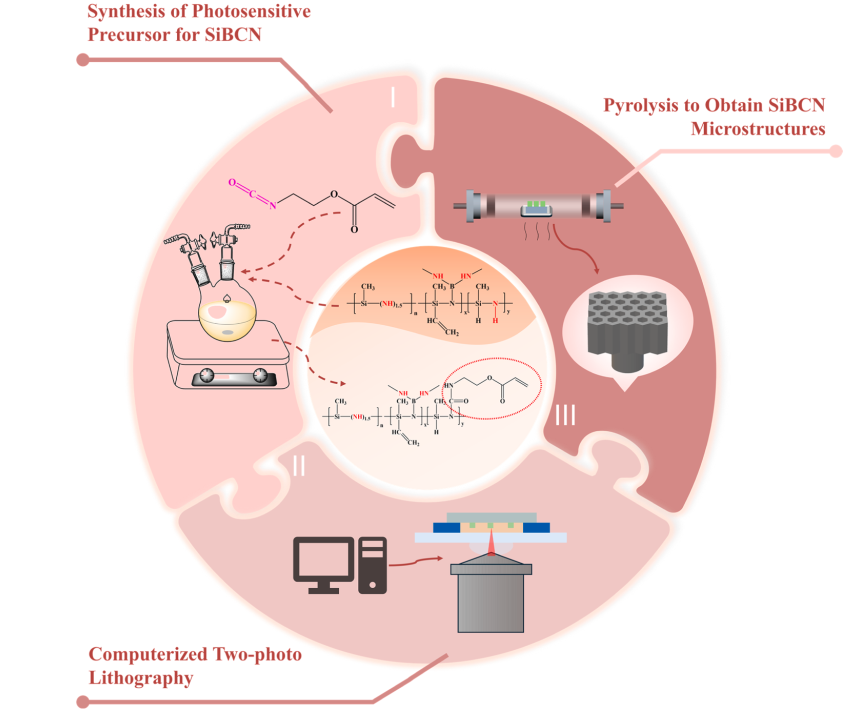
Figure 1 Fabrication workflow of SiBCN microstructures
The figure shows the complete process from synthesis of the photosensitive precursor PSNB-A to two-photon lithography printing and pyrolysis into SiBCN ceramics. On the left is the chemical structure of PSNB-A, and on the right are schematics of the 3D printing and pyrolysis processes, visually presenting the material conversion path.
Precursor preparation: under a nitrogen atmosphere, polyborosilazane (PSNB) was reacted with 2-isocyanatoethyl acrylate (IEA) in tetrahydrofuran to prepare the photosensitive precursor PSNB-A, and a photoinitiator was added.
Two-photon lithography: using a femtosecond laser lithography system, PSNB-A microstructures were printed on a silicon wafer by controlling laser power and exposure time, then developed in xylene and UV-cured.
Pyrolysis: the cured precursor structures were heated in a tube furnace at 1℃/min to 1000℃ and pyrolyzed for 2 h under a nitrogen atmosphere to convert them into SiBCN ceramics.
Characterization: FTIR, NMR, TGA, XRD, and SEM were used to characterize the chemical structure, thermal stability, and micromorphology of the precursor and the ceramic; compression tests were used to evaluate the mechanical properties of the ceramic micropillars.
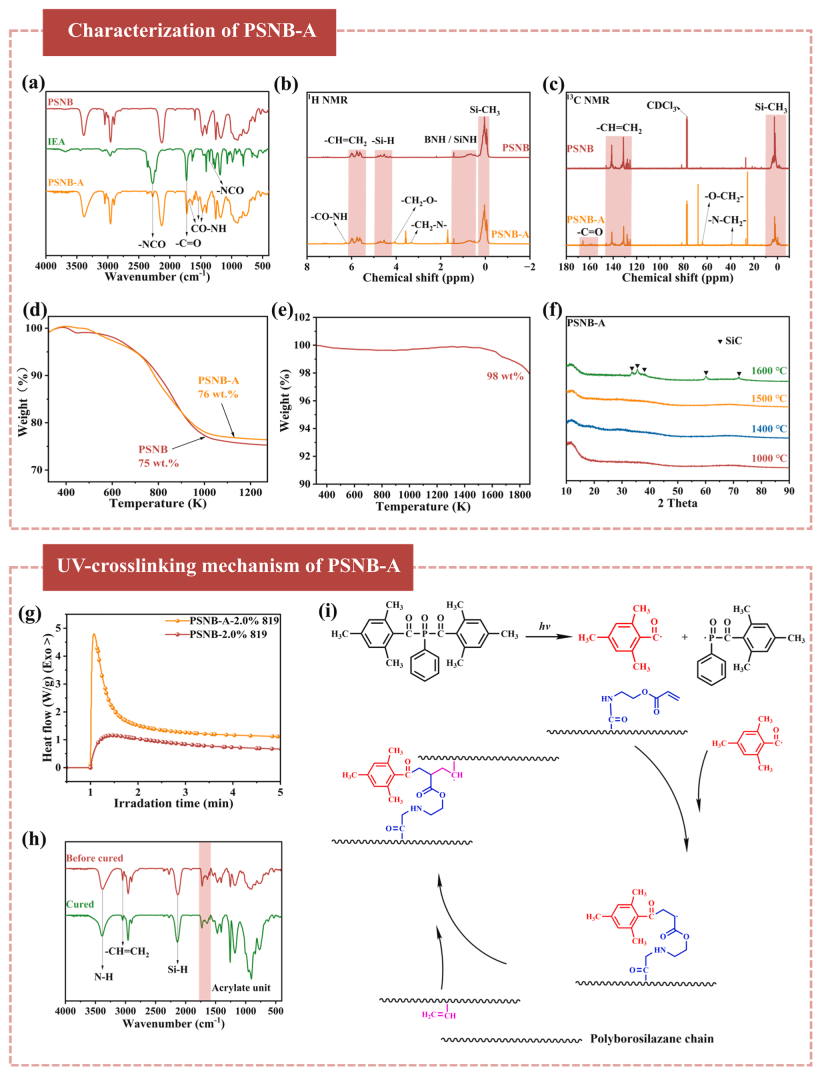
Figure 2 Characterization results of the precursor and the ceramic
(a)-(c): FTIR spectra of PSNB, IEA, and PSNB-A, and 1H NMR and 13C NMR spectra, confirming the successful grafting of acrylate groups in PSNB-A.
(d)-(e): The TGA curves show a ceramic yield of 76% for PSNB-A, and the SiBCN ceramic exhibits good thermal stability at 1600℃.
(f): The XRD spectra show that the SiBCN ceramic remains amorphous below 1600℃, with SiC crystallization peaks appearing at 1600℃.
(g)-(i): Photo-DSC and FTIR results verify the UV curing efficiency and curing mechanism of PSNB-A.
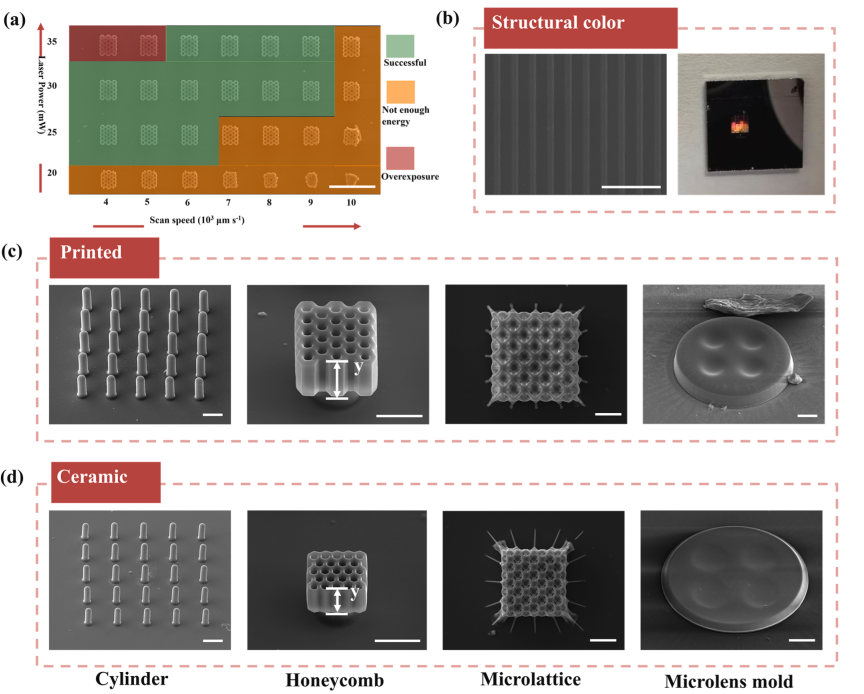
Figure 3 Morphology of the microstructures after printing and pyrolysis
(a): Printing window analysis, showing the influence of laser power and scanning speed on the printing quality of honeycomb structures; the green region indicates the parameter range for successful printing.
(b): SEM image of SiBCN lines with a linewidth of 700 nm, together with the structural color phenomenon observed during large-area printing.
(c)-(d): SEM images of printed 3D microstructures (pillar arrays, honeycombs, microlattices, and microlens molds) and of the ceramic structures after pyrolysis, showing that the structures are well preserved after pyrolysis.
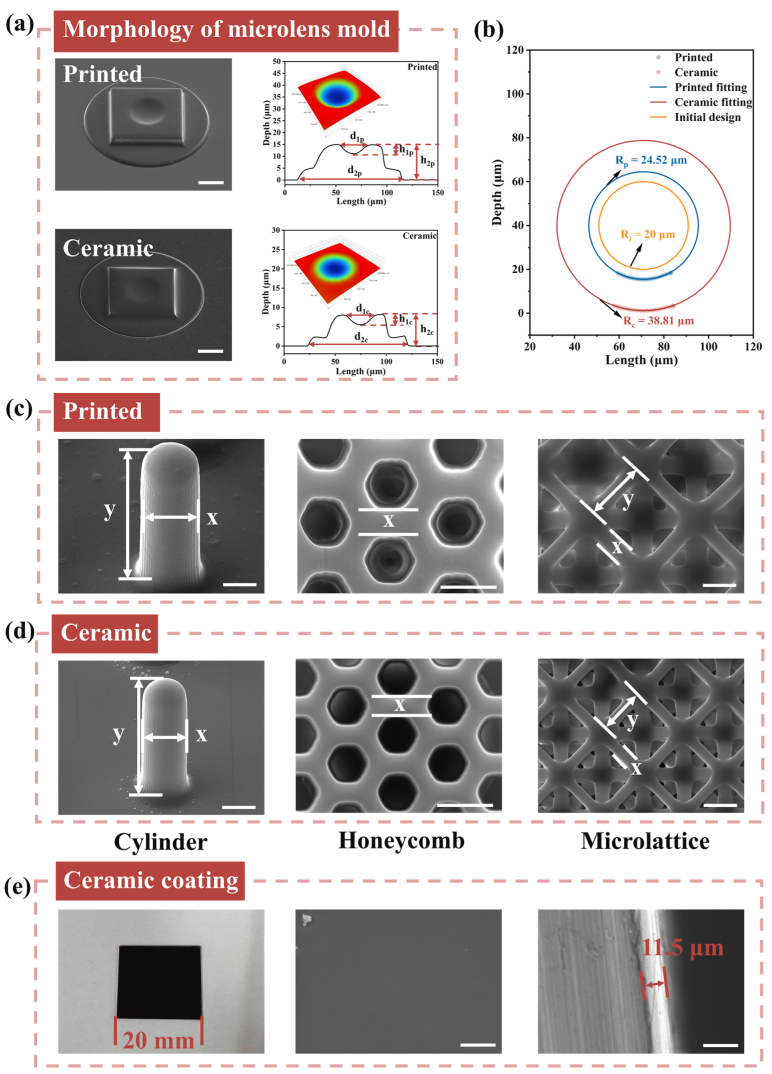
Figure 4 Study of shrinkage behavior during pyrolysis
(a)-(b): Morphological changes of spherical recessed structures before and after pyrolysis, showing anisotropic shrinkage during pyrolysis, with the shrinkage in the depth direction (35.4%) far exceeding that in the in-plane direction (0.43%-4.19%).
(c)-(d): Magnified SEM images of pillar, honeycomb, and microlattice structures before and after pyrolysis, further verifying the anisotropic shrinkage phenomenon.
(e): SEM image of an SiBCN coating on an Si substrate, showing a dense, smooth, crack-free coating.
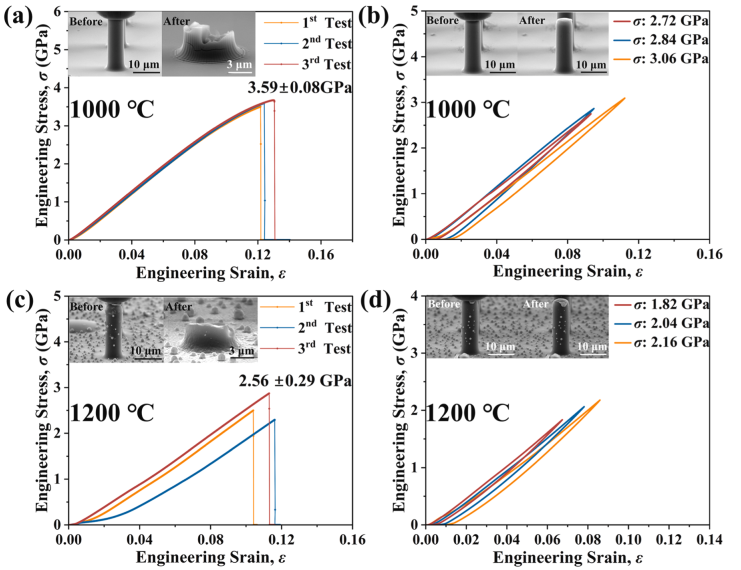
Figure 5 Compressive strength test results
(a)-(b): Engineering stress-strain curves of SiBCN micropillars pyrolyzed at 1000℃, with a compressive strength of 3.59±0.08 GPa, and SEM images before and after testing.
(c)-(d): Stress-strain curves of SiBCN micropillars annealed at 1200℃, with a slightly reduced strength (2.56±0.29 GPa), showing the effect of high temperature on mechanical properties.
By combining molecular design with two-photon lithography, this study prepared an SiBCN precursor with high photosensitivity and high ceramic yield, achieving precise control of submicron structures and high-temperature stability. The results promote the application of high-temperature ceramic microstructures in extreme environments and provide new ideas for the cross-disciplinary development of advanced manufacturing technologies (such as lithography and additive manufacturing) and ceramic materials.
Source: Dang, Yanpei, et al. "Nano/micro-structured polymer-derived SiBCN ceramics via two-photon lithography." Additive Manufacturing 109 (2025) 104849.
Article URL:https://www.sciencedirect.com/science/article/abs/pii/S2214860425002131
DOI:https://doi.org/10.1016/j.addma.2025.104849